Archaeological Services
Underground Overground Archaeology (UOA) are leaders in heritage and archaeological consulting services with the skills, expertise, experience and dedication to fulfil your project needs.
From the small-scale to large, national, multi-year projects, UOA has a diverse team of consultants to meet the needs of clients from around the country. UOA undertakes projects for private property owners and developers, national infrastructure providers, councils and Territorial Local Authorities (TLA’s), large scale developers, businesses, and government agencies. The company’s professional heritage and archaeology team possess a diverse range of skills and specialties whose depth of experience within the industry is visible in the level of success and respect the business has generated.
From our four national branches, we provide exceptional value to clients in the management of their heritage and archaeological needs. Our team are experts in pre-European archaeology, historical archaeology, buildings archaeology, architectural history and conservation, GIS-based modelling and risk management, heritage building reuse and development strategies, mining and mining-related archaeology, urban archaeology, heritage interpretation and design.
The Archaeological Process
So you’ve been told you need an archaeologist! The next question is usually, Why? The reason is most likely because you own or wish to develop a property that has a historic building on it, because the property is in an area of historic importance, or because it is likely to have had human occupation prior to the year 1900.
Why is the year 1900 so important? It is important because this is the legally defined date prior to which, sites and buildings are protected under the Heritage New Zealand Pouhere Taonga Act (2014). Further legal protection is provided under the conditions of the Resource Management Act (1991) which considers historic heritage to be a matter of national importance under Section 6.
This legal protection means that there is a process to go through in order to both, comply with these laws, and to proceed with development works. This process involves an application to Heritage New Zealand to modify or destroy an archaeological site. The issued permit is called an Archaeological Authority.
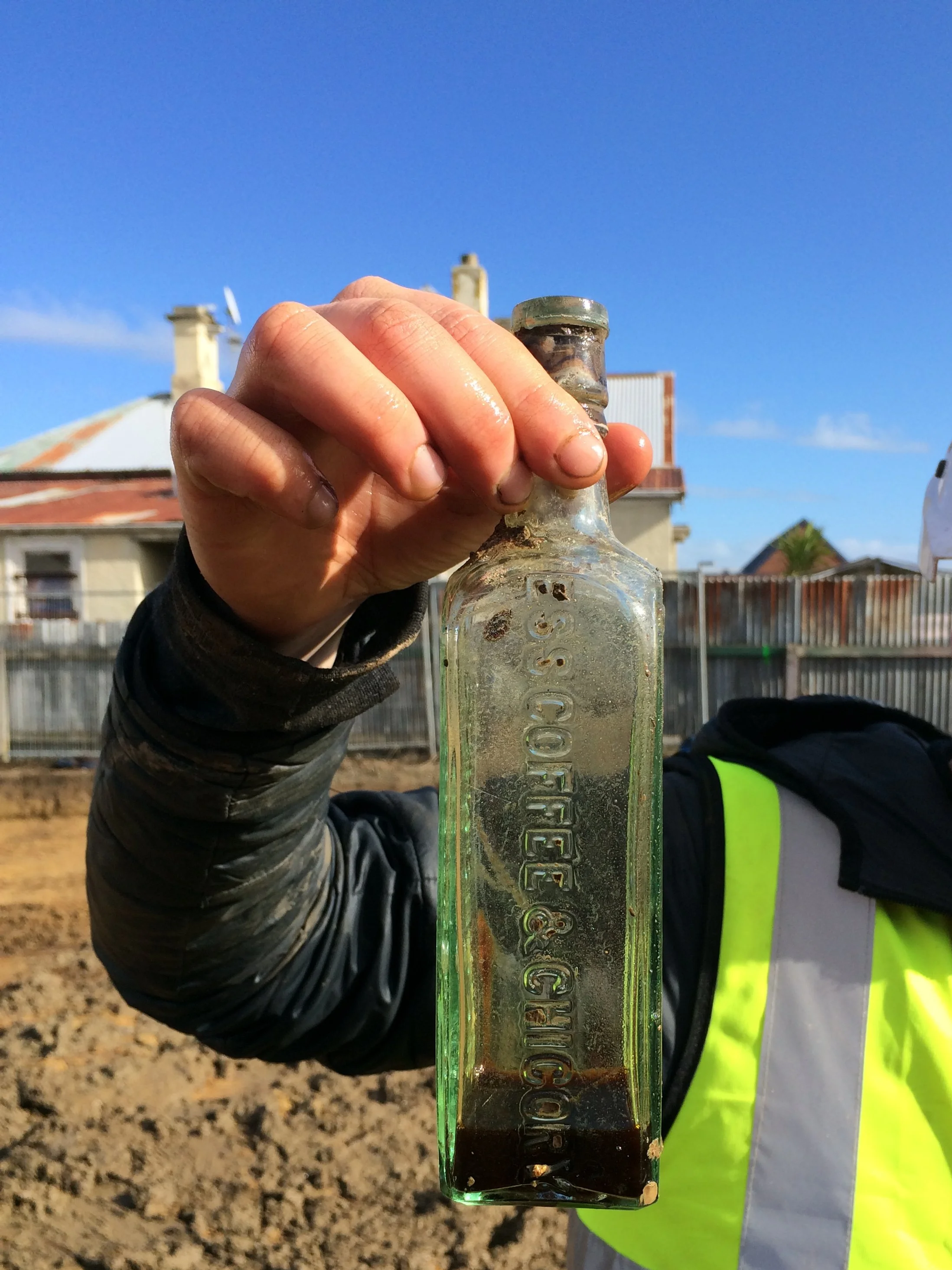
Archaeological Authority Consent Process
Before any development on land or buildings with pre-1900 human activity, New Zealand law requires an archaeological authority from Heritage New Zealand Pouhere Taonga. This legal consent ensures that heritage and archaeological values are properly managed during your project.Big Ideas, Real Impact.
Why is this important?
The Heritage New Zealand Pouhere Taonga Act (2014) protects all archaeological sites, including land and structures occupied before 1900. Even if a building was constructed after 1900, consent may still be required if earlier occupation occurred on the site. This means that any sub-surface works, demolition, or redevelopment in historic areas must comply with these regulations.session flows.
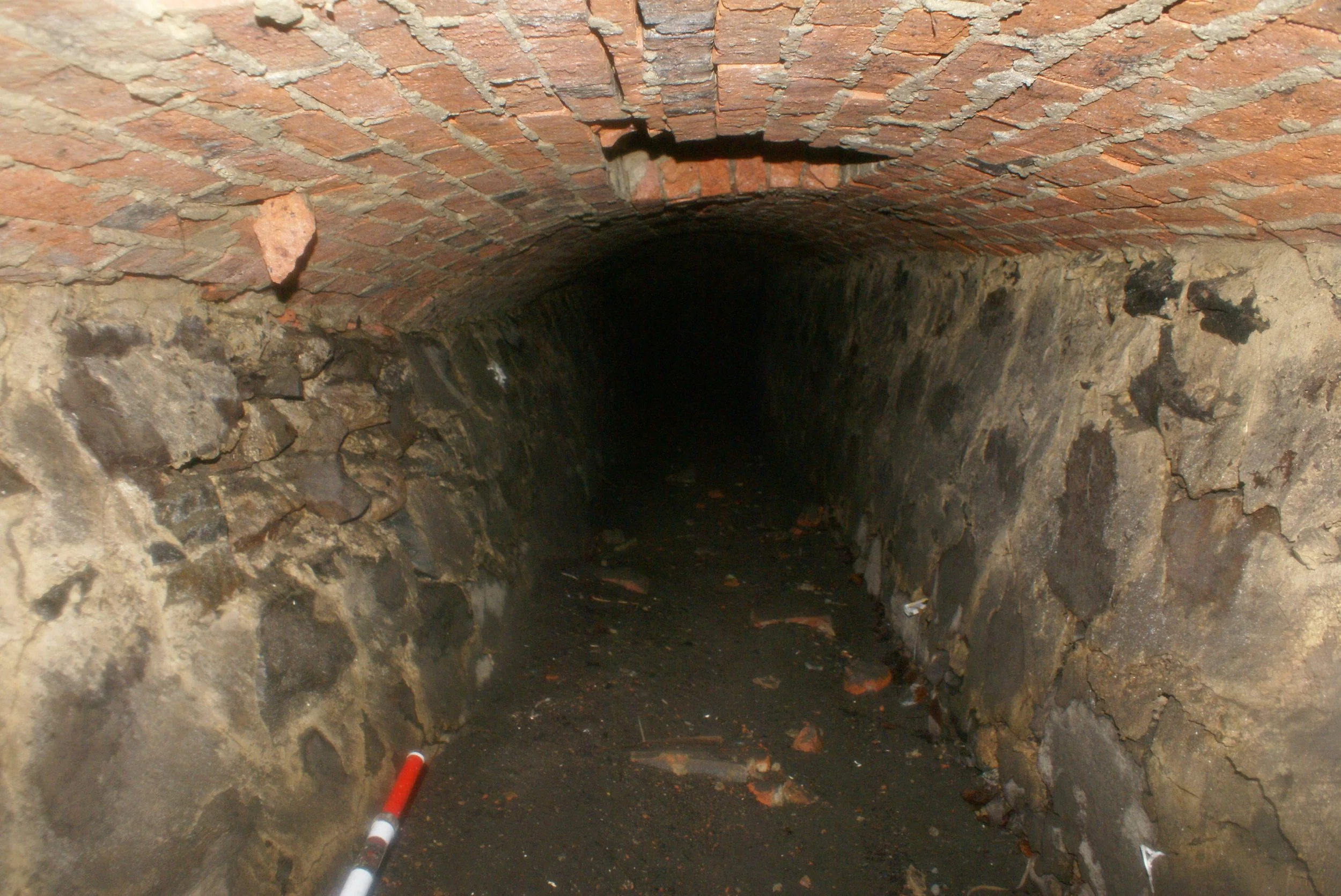
How the Process Works
1. Archaeological Assessment
The first step is commissioning an archaeological assessment by an approved Section 45 archaeologist. This assessment investigates your site to determine whether historic or archaeological features are present and outlines the level of recording or excavation that may be required. It forms the basis of your authority application.
2. Application & Review
We submit the assessment to Heritage New Zealand, who review the application and issue an archaeological authority if satisfied. This process can take several weeks or even months, so early engagement is essential to avoid delays.
3. Conditions of Authority
The issued authority is a legal document that includes conditions to be met before, during, and after works. These typically include:
· Monitoring and recording during ground disturbance or demolition
· Excavation and analysis of archaeological features and artefacts
· Completion of a final report for Heritage New Zealand
What Happens After Approval?
Once the authority is granted, our team manages all required conditions. This includes on-site monitoring, excavation, and detailed analysis of artefacts and faunal material. We compile these findings into a comprehensive final report, which is submitted to Heritage New Zealand to fulfil your legal obligations.
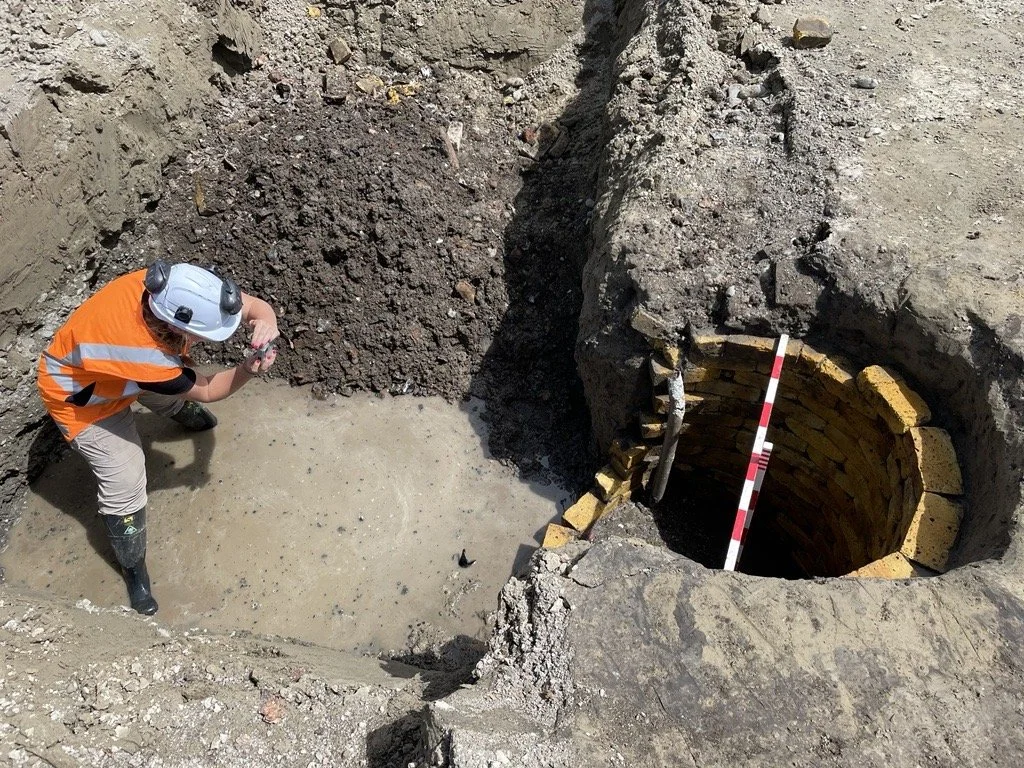
Our Services
- Archaeological Assessments
- Archaeological Excavation
- Archaeological Monitoring
- Buildings Archaeology
- Management Plans
UOA offers a diverse range of heritage and archaeological services including:
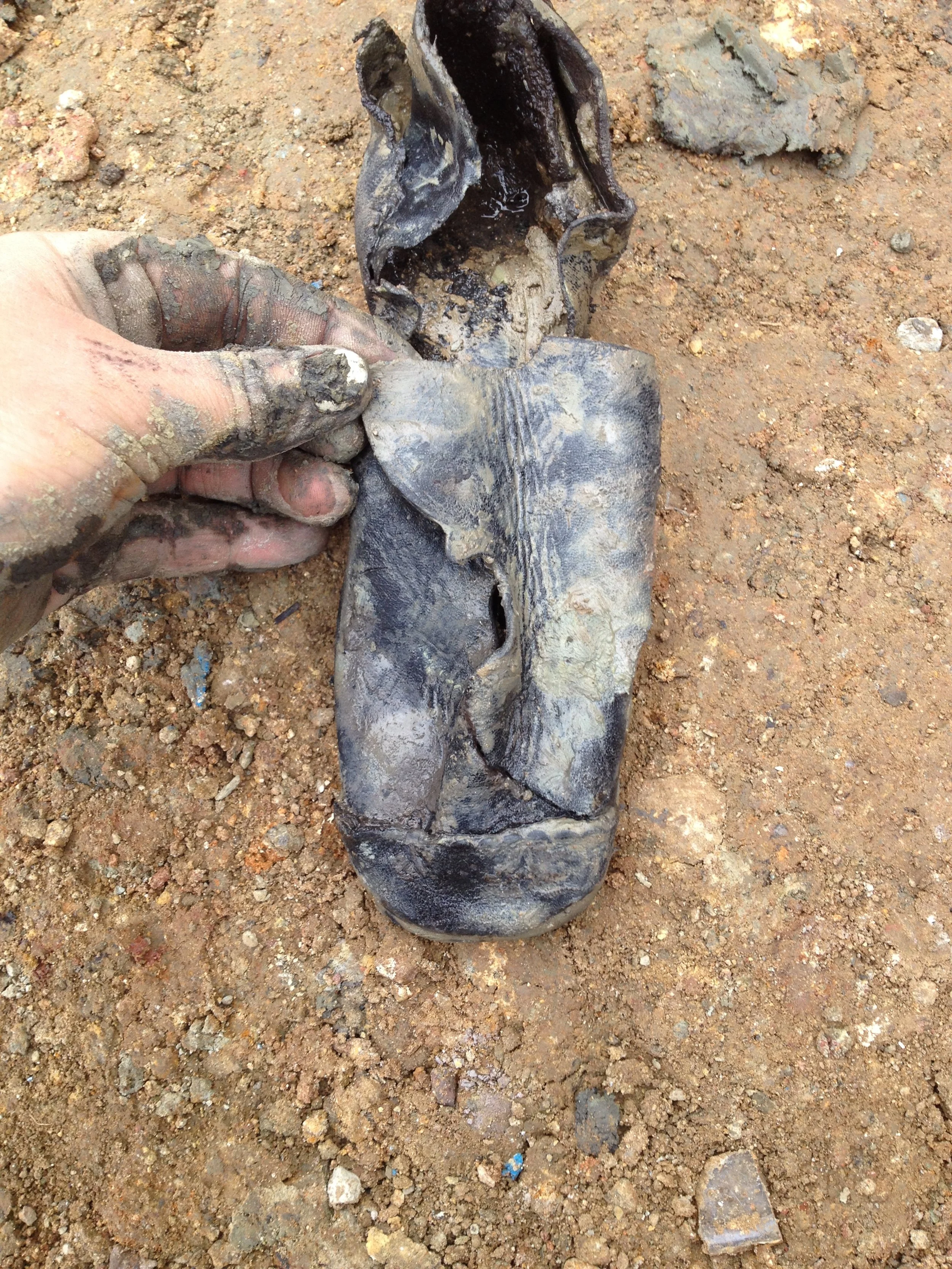
- Faunal Analysis
- Material Culture Analysis
- Historical Research
- Mining Archaeology
- Expert Witness
- Archaeology of the Coast
- Archaeological Survey
- Research Design
- Interpretation Design
-GIS mapping and risk management
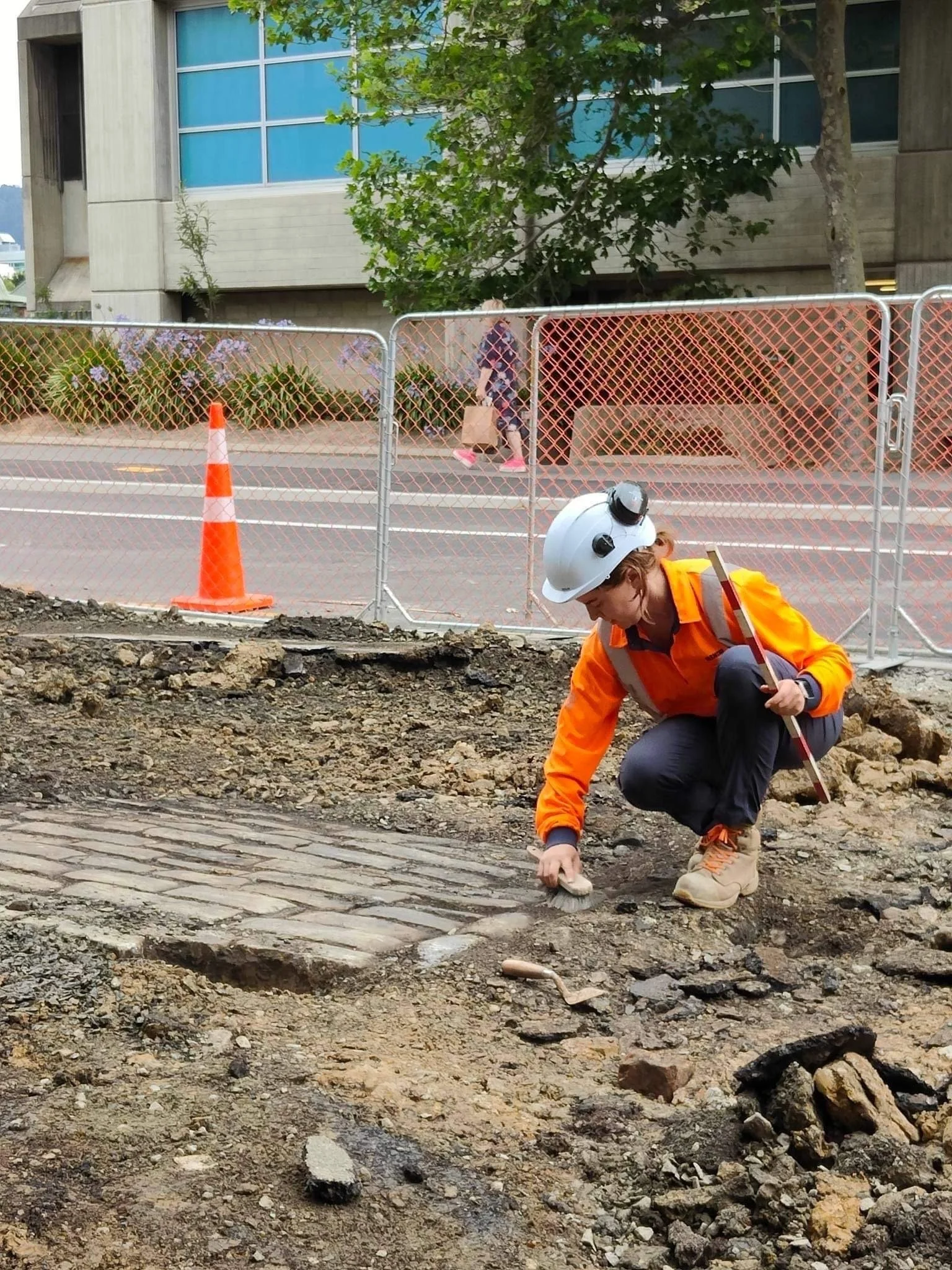
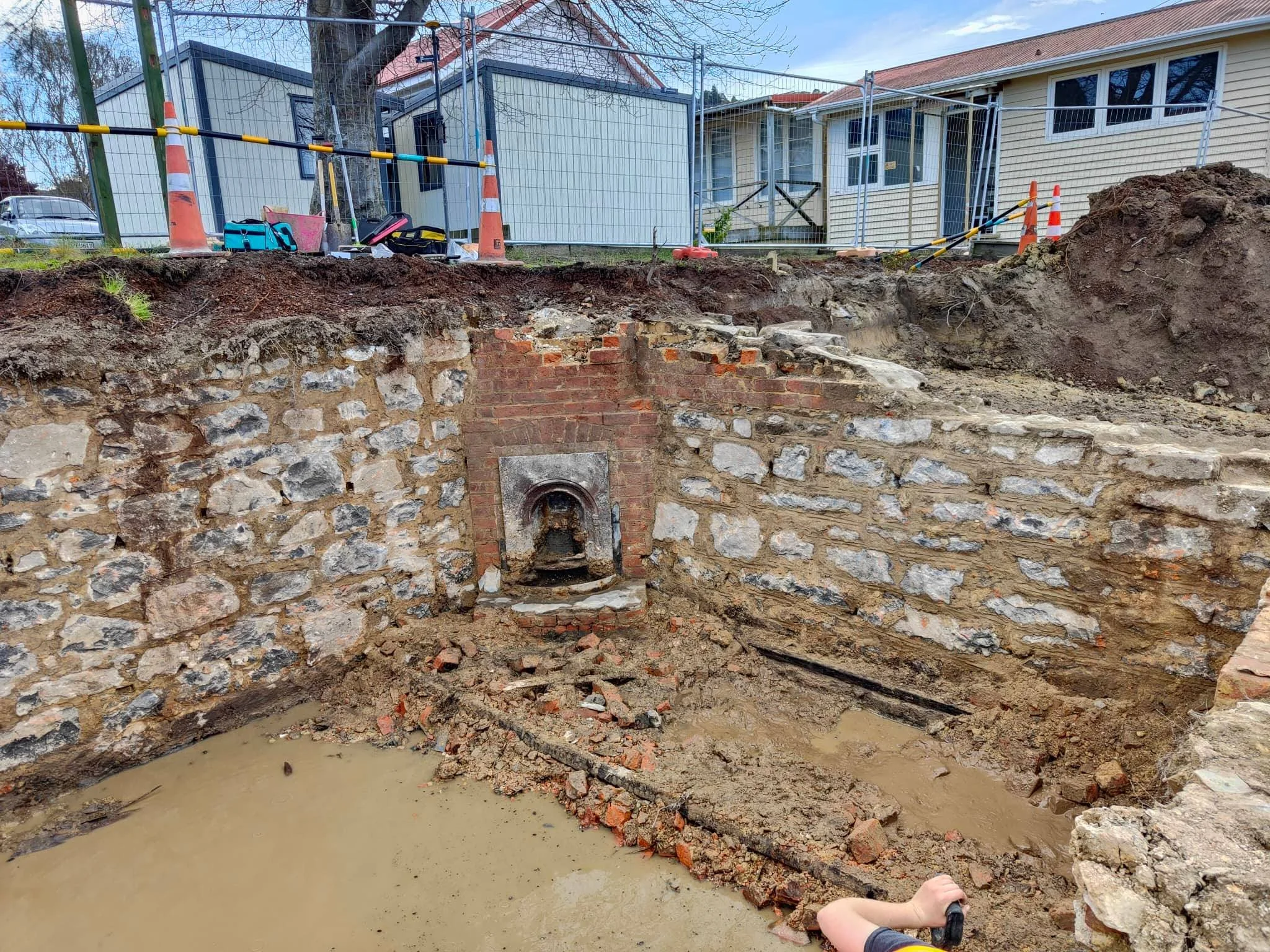
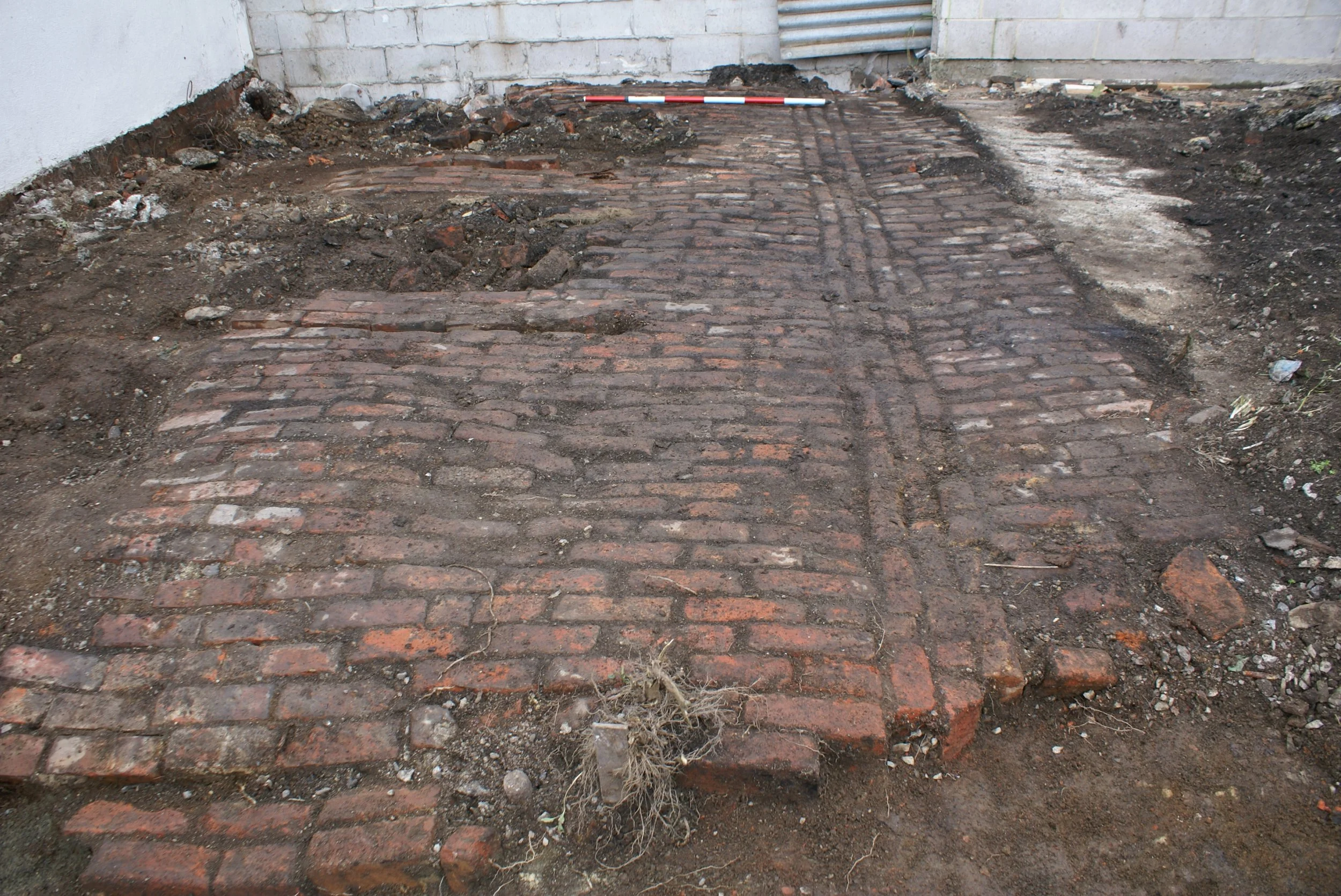
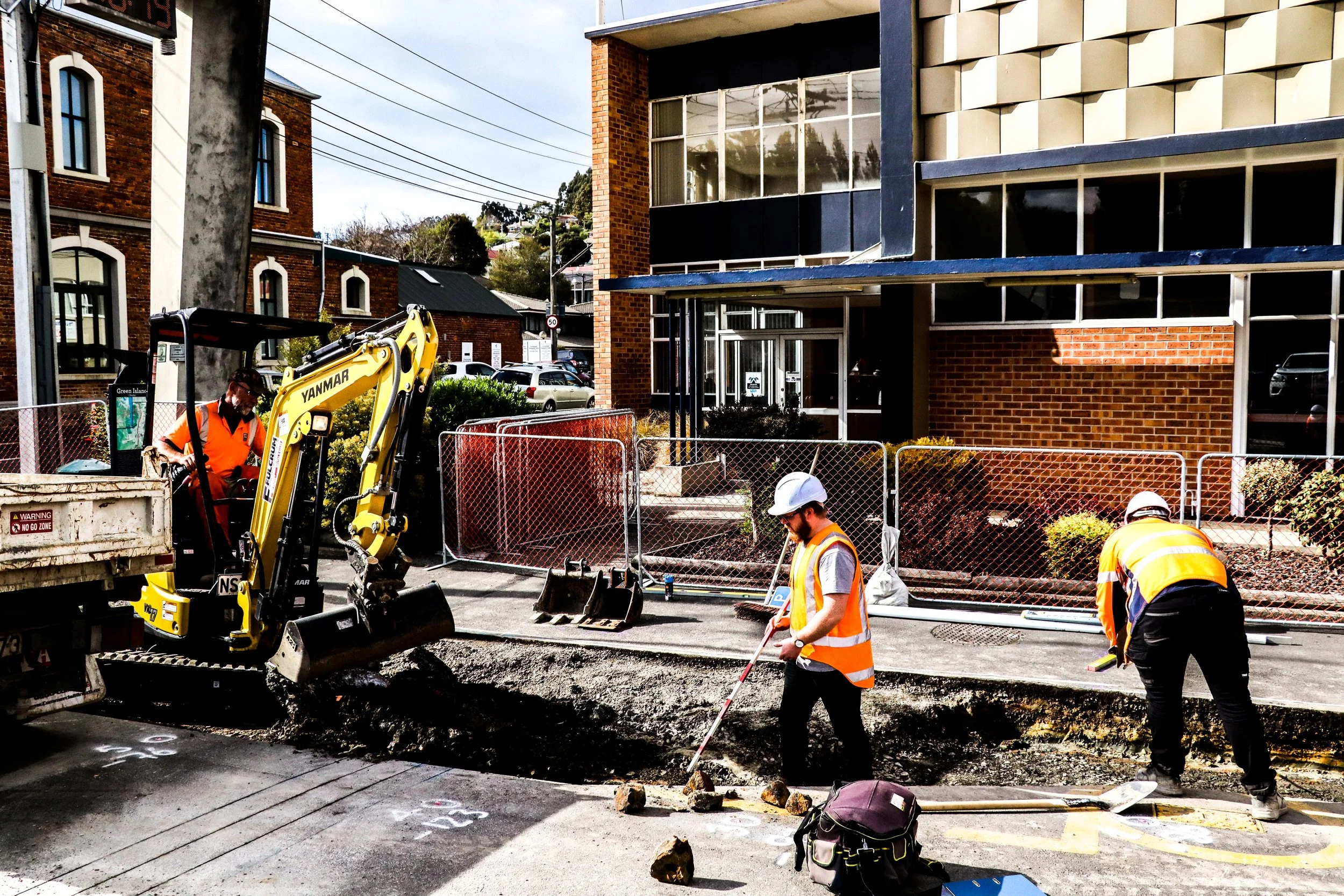
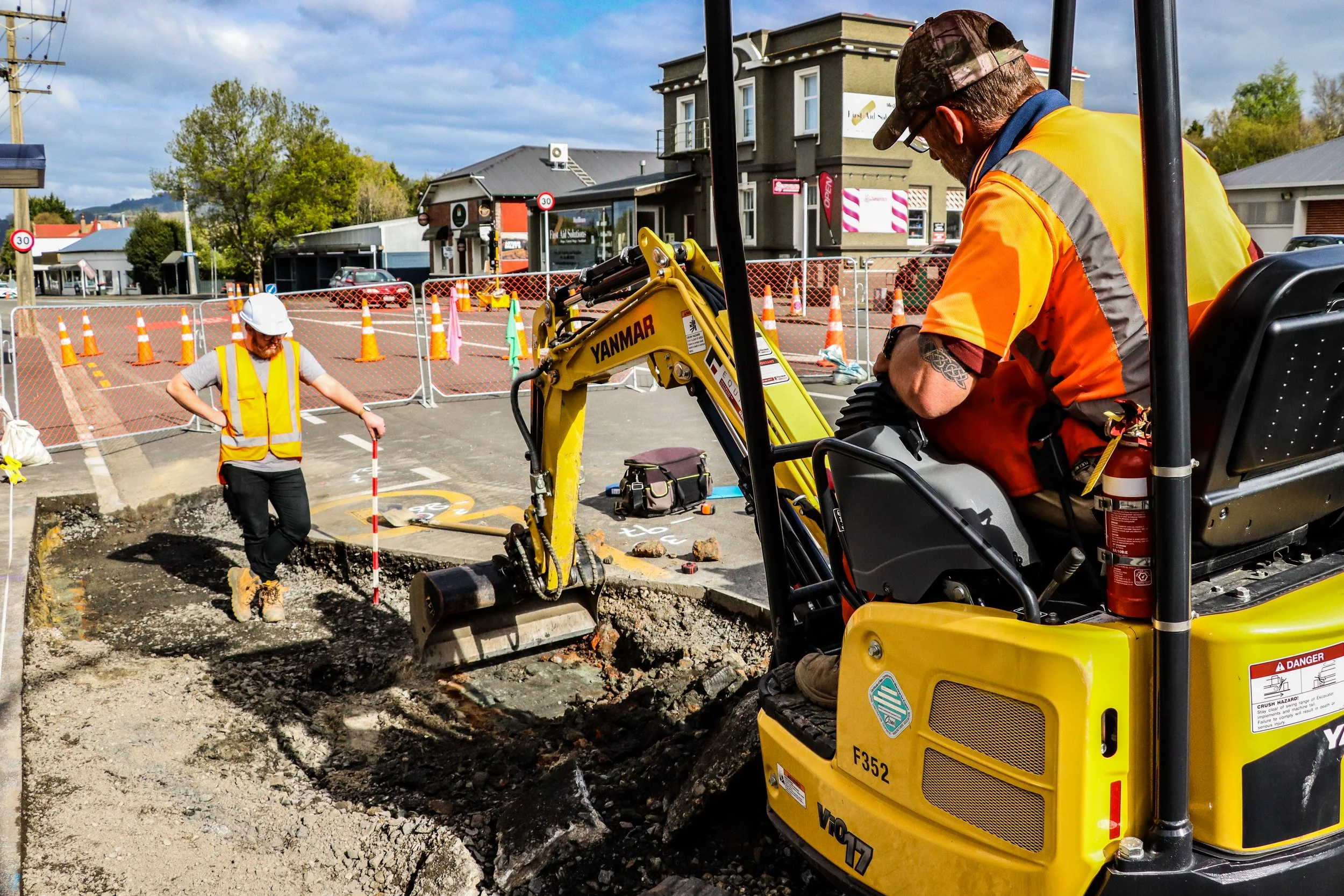
Site Monitoring and Excavation. Site developments often require a certain degree of ground disturbance. This can include demolition and removal of structural founds, service trenching, site preparation for new foundations or removal of foliage. We provide expert archaeologists to work alongside other site contractors during ground works to record and recover any features and artefacts. Prior to site works commencing we also provide site briefings for all personnel, any relevant risk management maps and plans and, design site specific strategies to ensure fast and comprehensive recording.
Archaeological Assessment. An archaeological assessment is required for an authority application .
Artefact and Specialist Analysis. Site monitoring and excavations usually uncover a wide range of artefacts and/or features that require analysis and interpretation. With a dedicated laboratory space, we provide specialist analysis of all historic and prehistoric artefacts and faunal analysis. Where required, we also subcontract to other specialist fields for radiocarbon dating, charcoal and dendrochronology and, conservation treatment.
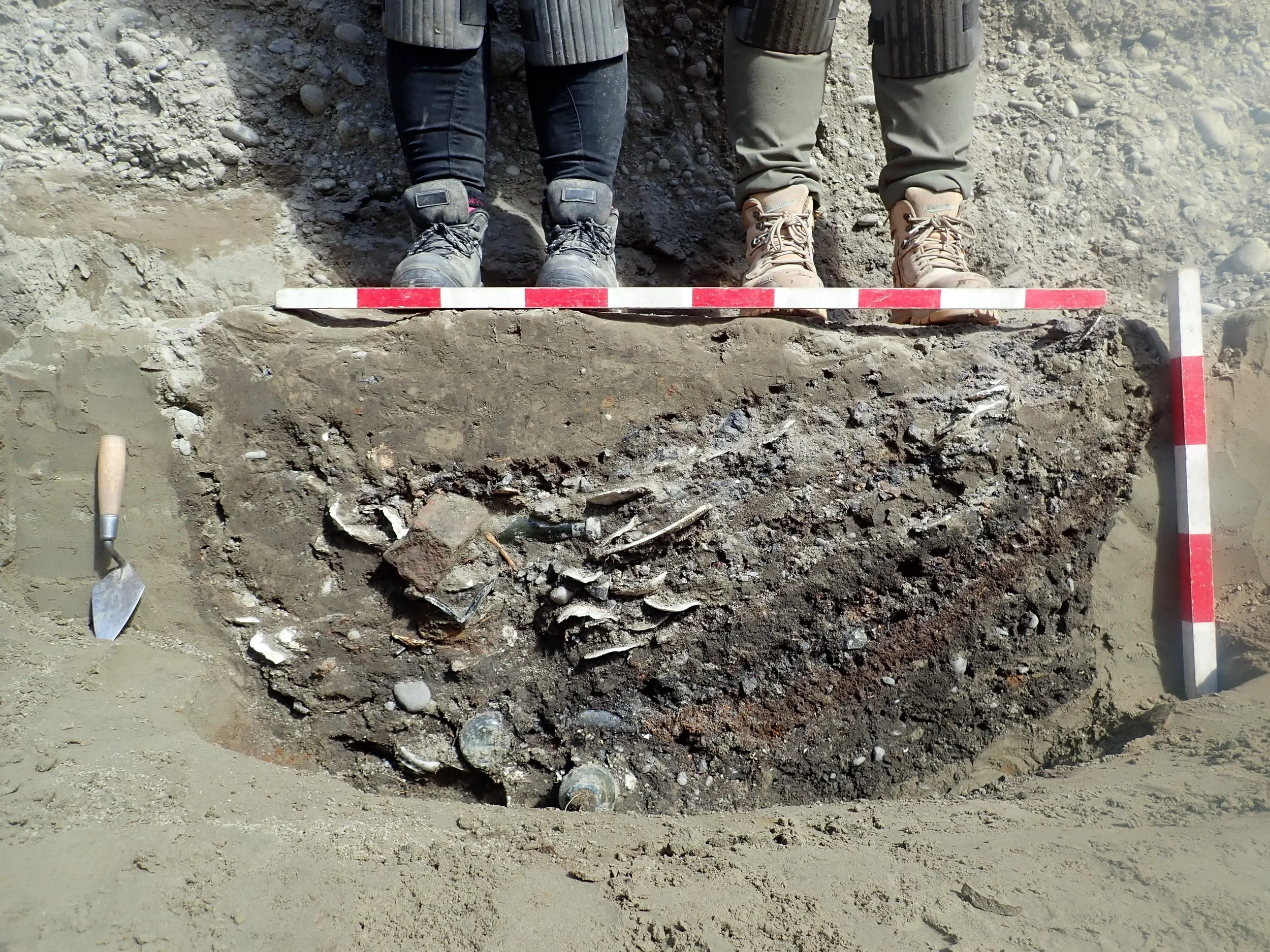
An Archaeological Appraisal is a quick and easy method to determine if an archaeological authority is required for a development. It is the first stage for due diligence when purchasing and/or looking to undertake a site development. It will establish if a structure and/or site has been occupied prior to 1900, triggering Act requirements. We also provide specific earthquake related appraisals which fall under the Earthquake Order of the HNZPTA established post the 2011 Christchurch earthquakes.
Interim and final reports. As part of every archaeological authority, an interim report and/or final report is required to summarise the results of the archaeological investigations. This is completed by your assigned project manager and will fulfil all legal obligations under your archaeological Authority.
Building archaeology. Where there is an existing structure to be demolished which was built prior to 1900, a condition of an archaeological authority is to record it before demolition is undertaken. There are three different levels of recording for standing structures. The level of recording is dependent on what has been outlined in the authority. For further information about the different levels of recording for buildings and standing structure as per Heritage New Zealand requirements. The process usually involves the systematic stripping back of structural elements to determine original dimensions, layouts and changes over time.
Why Choose Underground Overground Archaeology?
Navigating heritage and archaeological requirements during development can be complex. Whether you’re planning a new build, redevelopment, or earthquake strengthening, projects in historic areas (sites with pre-1900 human activity) require an archaeological authority from Heritage New Zealand Pouhere Taonga.
Our team makes this process simple and stress-free. We provide:
· Expert guidance on legal requirements for heritage and archaeological consents.
· Comprehensive site assessments to identify risks early and avoid costly delays.
· Full compliance support with all relevant legislation, including the Heritage New Zealand Pouhere Taonga Act, Protected Objects Act, and Resource Management Act.
· Specialist research and analysis to uncover and preserve New Zealand’s heritage, helping us understand our past and its influence on the present.
If your property or development site was occupied before 1900—or you suspect it might have been—you will need an archaeologist. Our consultancy offers nationwide and international services, including documentation for resource consents, council hearings, and expert testimony.
Plan ahead and protect your project timeline. Contact us early to ensure the best strategy for managing heritage and archaeological requirements.
Here at UOA we have a fully equipped laboratory that can handle all manner of archaeological material, including taonga tūturu